
"aromatic compounds"
300 article(s) found

Where are most of the aromas of coffee beans concentrated? Espresso roasted coffee beans espresso
Most of the aromas of coffee beans are concentrated in two kinds of oils. Follow the editor to learn more about them. Let's first take a look at what lipids are, that is, aromatic oil concentrates, also known as lipids, generally refer to fats, oils, and waxes. Most of the coffee bean oil is stored in the bean embryo, and only a very small part is covered on the bean surface in the form of wax. Arabica's lipids account for about 1517% of the bean weight, which is better than Rob.

How to get started with Coffee roasting | basic knowledge of Coffee Baking how to roast coffee beans at home
I bet baking is something every barista wants to know! We can develop the flavor by roasting coffee. How can we get the best taste of coffee? What actually happens when you bake? Why is baking important? Coffee beans are seeds that ripen in coffee cherries. They are then processed and dried into coffee beans. Before baking, the coffee beans are green

The origin of caramelization of the attractive aroma of coffee
Why do you love coffee so much? apart from the refreshing effects of caffeine, I think the reason why people and thousands of coffee fans often miss coffee is its charming aroma, so where does it come from? The important thing is that coffee beans are rich in a variety of raw materials, which produce a variety of reactions after baking, resulting in an attractive aroma. The two most important responses are

The truth that ordinary coffee makers don't want to tell.
The basic ingredients of a good cup of coffee are freshly roasted beans. Once the coffee beans are roasted, the extremely important acidic fat and volatile fat in the coffee beans will change chemically once they come into contact with the air. The esters and aldolases in the aromatic compounds of coffee are the most volatile, which will worsen the taste of coffee. It's not just the volatilization of aromatic substances.
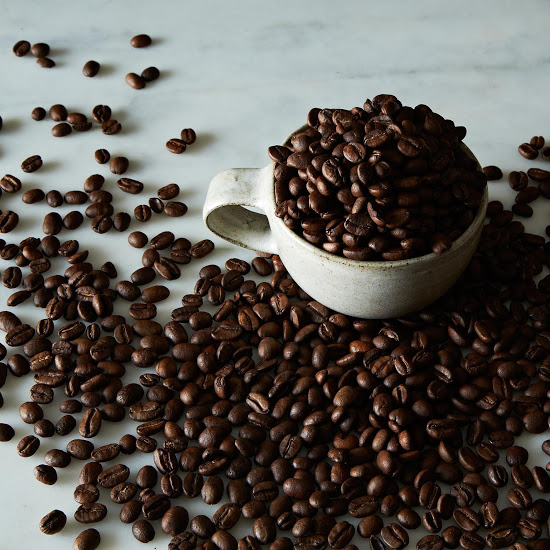
Most of the aromas of coffee beans are concentrated in two kinds of oil.
Most of the aromas of coffee beans are concentrated in two kinds of oils. Follow the editor to learn more about them. Let's first take a look at what lipids are, that is, aromatic oil concentrates, also known as lipids, generally refer to fats, oils, and waxes. Most of the coffee bean oil is stored in the bean embryo, and only a very small part is covered on the bean surface in the form of wax. Arabica's lipids account for about 1517% of the bean weight, which is better than Rob.

What products will be produced by the baked caramelization reaction? What happens to excessive caramelization and insufficient caramelization?
Professional Coffee knowledge Exchange more coffee bean information Please follow the coffee workshop (Wechat official account cafe_style) the front street coffee briefly describes the caramelization reaction [caramelization reaction] the sugar in coffee beans undergoes caramelization at about 170 to 200 ℃, which is exactly the melting point of sucrose (185 ℃) and the temperature of the explosion stage when coffee beans are roasted. Products of caramelization reaction
Coffee roasting and Coffee Flavor Wheel New version of Coffee Flavor Wheel
The deep roasting of counter-cultural coffee flavor wheel highlights that light roasting of wood incense can highlight the bright smell of sour flowers, grasses and fruits, but hopeless deep roasting fans fall in love with resin components such as incense, smelling, choking aroma and alcohol odor. this is the product of Mena reaction and distillation. Resin composition: pine and cypress families of Pinaceae and Taxodiaceae, both secrete oleoresin with spicy fragrance to protect against insect pests or
Introduction to the Origin characteristics of Arabica Coffee beans the substances contained in coffee beans become fragrant
Professional coffee knowledge exchange more coffee bean information please follow the coffee workshop (Wechat official account cafe_style) front street-Arabica varieties, aromatic ingredients introduction I. types of coffee: coffee beans can be roughly divided into three categories: (1)? Arabica (Arabica) coffee tree, (2)? Robusta Coffee Tree and (3) Liberica Coffee

Roasting process, baking degree and roasting curve general knowledge of coffee roasting
The following text is extracted from the book falling in love with barista by Qi Ming, a teacher from Pulan Coffee College, which was printed by Jiangsu Science and Technology Publishing House for the third time in March 2015. Reprint must indicate the author and the source. One can't make bricks without straw. If the quality of raw coffee beans is not good, no matter how skilled the roaster is, everything is still out of reach. For those coffee of poor quality
Roasting process, baking degree and roasting curve general knowledge of coffee roasting
The following text is extracted from the book falling in love with barista by Qi Ming, a teacher from Pulan Coffee College, which was printed by Jiangsu Science and Technology Publishing House for the third time in March 2015. Reprint must indicate the author and the source. One can't make bricks without straw. If the quality of raw coffee beans is not good, no matter how skilled the roaster is, everything is still out of reach. For those coffee of poor quality

How does the aroma of coffee come out? the strong aroma of coffee beans is fried just right.
Professional coffee knowledge exchange more coffee bean information please follow the coffee workshop (Wechat official account cafe_style) front street-coffee aroma source introduction 1 caramel reaction the sugar in coffee beans caramel reaction at about 170 to 200 ℃, which is exactly the melting point of sucrose [185 ℃], the temperature of the explosion stage when coffee beans are roasted. The product of caramel reaction is divided into two parts: the dehydration of a sugar.
Awaken the Spirit of Flavor-- the Chemical change and dramatic Evolution of "Baking"
What happens when coffee beans are roasted? In fact, no one can answer this question very accurately. One of the mysterious characteristics of coffee beans is that their aromatic compounds are very complex. at present, it is known that there are about 700850 substances related to flavor in roasted coffee beans, and the actual number of substances will be related to each experiment.

How much is black coffee beans? Why is black coffee beans delicious? What brand of black coffee beans is delicious?
Professional coffee knowledge exchange More coffee bean information Please pay attention to coffee workshop (Weixin Official Accounts cafe_style) Most of the aroma of black coffee beans is concentrated in two kinds of oils, follow Xiaobian for detailed understanding. First to understand what is fat, that is, aromatic concentrate oil essence also known as lipid, generally refers to fat, oil, and wax, coffee bean oil is mostly stored in the bean embryo
Why does coffee smell so good? Why is the aroma so strong when grinding coffee?
Caramel reaction once ordered a cup of Guatemala-Huehuetenango near the Kaohsiung Cultural Center and spent a beautiful afternoon with "my Adventure" (My Life As An Explorer by Sven Hedin). After drinking coffee, I accidentally found that the dry coffee stains at the bottom of the cup were arranged into interesting patterns, so I picked it up to see if I could see the next issue.
How does the aroma of coffee beans come from? where does the aroma of coffee come from? why is it so fragrant?
Professional coffee knowledge exchange more coffee bean information please follow the coffee workshop (Wechat official account cafe_style) front street-coffee bean flavor chemistry introduction why so love coffee, in addition to caffeine refreshing and other effects, I think what makes you and thousands of coffee fans often miss coffee is its charming aroma, so how on earth did this aroma come from?

"Mena reaction" caramelization reaction furan "to create caramel sweet black coffee
It was not until 1926 that furan unveiled the fascinating aroma of caramel sweet coffee for the first time by two top scientists, TadeusReichstein of Switzerland and Hermann Staudinger of Germany. After 1950, the two men won the Nobel Prize in Medicine and the Nobel Prize in Medicine for their outstanding contributions to science.

What do you think of coffee flavor wheel? What is the flavor of coffee? How to correctly drink coffee to describe the flavor?
Professional coffee knowledge exchange more coffee bean information Please pay attention to the coffee workshop (Wechat official account cafe_style) when drinking coffee can obviously smell the aroma of coffee, those who know a little will know the type of aroma of coffee, those who do not know will say it is the aroma of coffee. In fact, the smell of coffee is very good.

Description of Burundian Coffee Bean Flavor, characteristics of Grinding degree, quality and taste treatment method
Generally speaking, the aroma, caramel and color of Burundian coffee are produced in the caramelization reaction, as well as other aromatic substances such as maltol, Cyclotene, furan compounds and so on. These compounds can also be found in red wine, fruit juices, cream and other foods. But if caramelization is too much during baking, it's not a good thing.
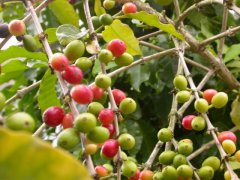
Coffee taste six melodies perfectly feel every change in the flavor of the coffee liquid
Professional baristas Please follow the coffee workshop (official Wechat account cafe_style) to taste coffee. After understanding the source of coffee aroma, it is time to discuss ways to taste coffee. Follow and proficient in the following six tips, you are a very professional coffee taster. The first step, smell dried incense (fragrance) as mentioned earlier, the aromatic compounds of coffee

Can smell bottles cultivate the ability to distinguish the aroma of coffee? what is the origin of the aroma of coffee?
What substance does coffee aroma come from in 1926 Swiss scientist Reichstein and German scientist Stoldinger studied and found that 29 kinds of compounds such as furan, alkylpyrazine, Dione and furfuryl mercaptan are the main components of coffee aroma, among which furan compounds are the most important. The aromas of caramel, nuts, cream, almonds and fruits in coffee are all related to furan compounds. 1960 to present